Research and inspiration for the experimental media
I´m Here by Spike Jonze

I´m Here by Spike Jonze tells the story of two robots. Otherwise it is a classic love story, where one finds reason to live and be
happy again and gives everything up for the love interest. What makes it different
is that the love birds are robots and the male one literally gives up his
entire body for her. There is also an element of being rejected by society, or
of being less than another group. Of course, this other group is the humans and
the downtrodden are the robots. I found the movie otherwise aesthetically
pleasing, but I have to say that I found the faces of the robots creepy, to the
point that it was distracting me from the story line. Especially the faces of the
female robots made me really uncomfortable, but maybe that was the idea. I also
found the ending a little weird. I
thought the female robot would turn out to be evil (or just desperate) because
I thought she was purposefully breaking off pieces of her body, so that the
male robot would give her newer body parts for her. I thought the moral of the
story was going to be “be careful who you love” especially if society drives
them into desperation. But it wasn´t. It ended with the male robot giving up
his entire body to the female one and as she held his head (the only thing left
of him), she looked at him with love in her eyes. I don’t know what we should ultimately
gather form this. It was, however, relevant to our research. Firstly, there is
a clear humanization of the technology which is something we want to do too. Could
artificial intelligence become so smart it could think for itself and have a
life of its own? Clearly, the robots in this movie were sentient and had emotions.
Another interesting point in this movie was the way the robots were treated by humans.
They were replaceable and seemed to be there only to do the jobs no human
wanted to do. They also didn´t have rights and were expected to behave a certain
way. The humans didn´t understand that the robots had developed into something
more than manufactured. I think this also points to how replaceable we think
technology is. Our phones don´t even need to be broken for us to want the latest
and newest version. Obviously, this way of thinking is very wasteful and is a
huge problem in our world today. Another thing we got from this film was the element of charging. Flora came up with the idea that we should do something like this too. Originally we thought I should simply put my phone on charge and sleep on top of it, but then I thought of charging my apple watch, whilst still wearing it. I liked the way it looked. It reminded me of getting IV drips or something (having something attached to the arm that potentially is keeping you alive) All in all, I found the movie nice to look at and
relevant to our film.
Her by Spike Jonze

This 2013 movie by Spike Jonze tells the story of a man who falls in love with a computer program. It has similair aspects to Blade Runner (another film I looked at). Both have a love story between non humans in a futuristic world. This movie
allows the viewer to image what the future will look like, and how we might
become even more dependent on technology. It also asks what makes us human, why
isn´t the program considered human, despite seemingly having the mind of one. I
think in our film we also try to approach this question. If my character, who
looks and thinks like a human, and perceives herself as one, why isn´t she? Her has a clean aesthetic and modern feel. There are some beautiful scenes in it.
Keiiji Matsuda and Hyper reality

I think Hyper Reality by Keiiji Matsuda is one of our main inspirations. It´s definetly the aesthetic we´re going for and the world we are trying to create is somewhat similar. Of course there is no way we could edit everything as well as Matsuda has, or have the time to do as much, but I hope we will accomplish a feeling of there being technology around us everywhere and all the time. We also wanted to create a feeling that technology will become a part of us. Not just a huge part of our lives but physically part of us too. I also love the colours in this short film, and hope we can integrate lots of colour in our short too. Hyper Reality is a story told from a first person perspective and follows their normal workday. In the end there the program they depend upon glitches and they end up losing everything. This had elements of what we want to do too. We are so dependent on technology these days, what would happen if something went wrong? I think in both this film and our film, the characters completely lose their personalities, everything they are is online.
Hito Steryl
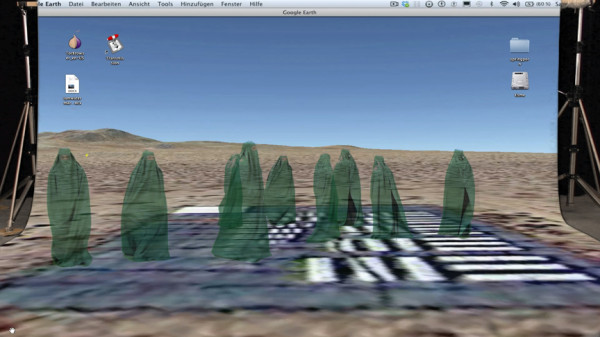
Hito Steryl is another big inspiration for us, especially her film How to be Invisible. She has an aesthetic that we will hopefully mimic a little bit and her use of green screen is what inspired us to use green screen. You will find bits in out film that are very obviously inspired by How to be Invisible, like where I paint my face or belly with green paint, to make those bits of my body disappear. This film is very experimantal and artistic and doesn´t have a very clear story line. I think this is something we are going for too. I want us to have edits that look the
same as hers and have elements of the film feel sort of disconnected.
I tried to look for more of her work but I only found low quality videos of them. I did find loads of talks by her and one that I found interesting is a talk she called Bubble Vision.
In the lecture she talks about bubbles as globes, from Da Vinci, to VR to Amazon and Crystal balls. She also talks about the environment, which is something I always find interesting. It was thought provoking and she ended it by asking, what the future holds. She also showed a clip of a Facebook VR experience that Mark Zuckerberg.
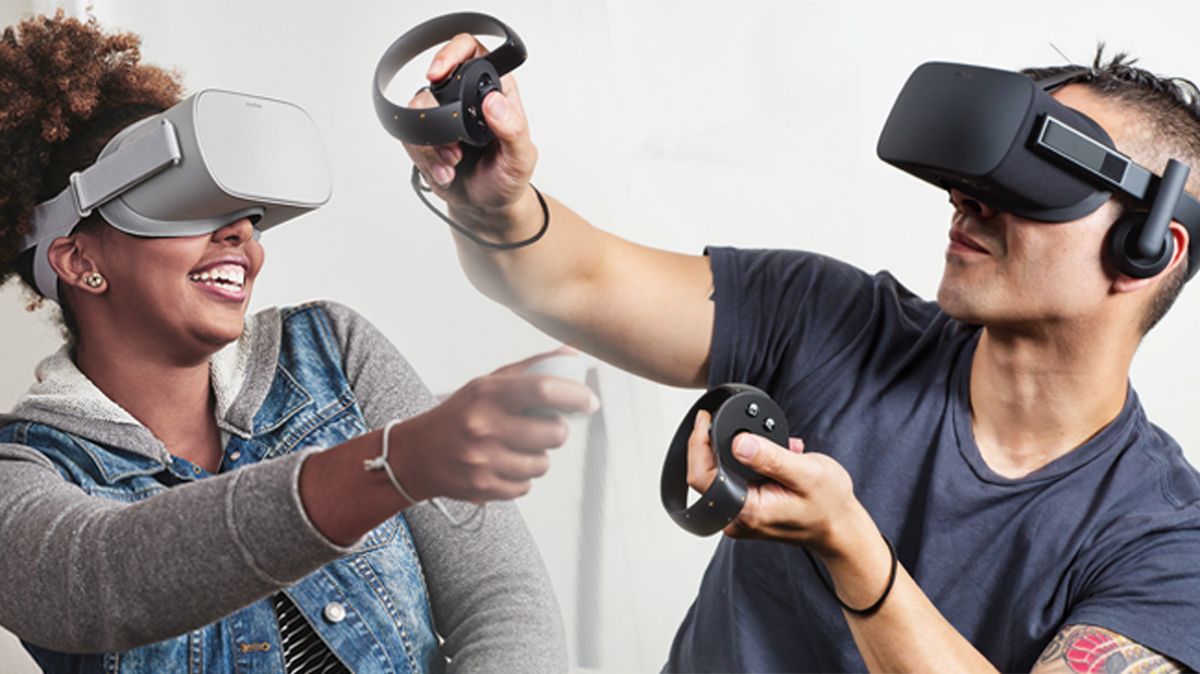
I thought these videos were super interesting. Apparently they are already two years old, but I had not seen them before. To me these still seem very futuristic. People can have meetings, use markes, go to space or anywhere they like. They can also act with their surroundigs by bringing in items, reading comments etc. Although this kind of VR thing has not blown up yet, I think it has a lot of potential and defintely will be used more in the future. I find it both amazing and scary. The video where Mark Zuckerberg goes to Puerto Rico after the hurricanes is incredibly eerie, and has this weird juxtaposition between the cartoony avatars and the real people suffering in the background. It was very insesitive and I think made anyone watching it feel very uncomfortable. Even though in some sense Zuckerberg and his collegue were there in Puerto Rico, they didn´t have to live in those conditions. They were safely in California. Will future VR sets allow us to experience the horrible conditions and aftermaths of natural disasters, without having to lose anything ourselves?
Clearly Facebooks Oculuc VR set didn´t become very succesful, at least I had not heard about it. It also hasn´t become a common household thing to have, but I think one day VR headsets will become something everyone has.
I find exploring the future possibilities if AR and VR very interesting.
VR and AR
Blade Runner


Take on Me by A-HA (music video)

This classic music video was the first thing I thought of when we talked about rotoscoping (or animating on top of video). When you compare this to the rotoscoping I have done already for our film, I think you can clearly see its influence. The Take on Me music video is still well known today, which I think says a lot about it´s success. It clearly was on my mind when I was creating the black and white drawings that would sometimes stand alone, and sometimes be on top of video. I love the way it looks and I´m also happy with the way my rotoscoping turned out.
Norman McLaren

Norman McLaren is always mentioned when it comes to movement. He was another artist I looked at for my animation style, but that in the end, didn´t influence me much. I was thinking about rotoscoping and how I could make the movements of animated bodies look natural.
William Kentridge

I found William Kentridge on the website for Tate. I love his sketchy style and I thought it could be something I could use for my animations. In the end I did decided on a cleaner look (with Flora), so the influence is not very obvious.
Illustrator Nate Kitch

Nate Kicth is yet another artist I had a quick look at for my animations. What interested me about his work is the way he uses collage. He combines many different elements to create one image. I also thought about using a more collagy style for my animations. Using images I think would have look good, and Flora did to a certain extent for her backgrounds. In the end I only ended up using drawings on top of film, but I think it looks nice. We also used this element combining idea with our green screens. The image I have used for this blog post to show his work is related to similar themes as our work.
Nam June Paik

Nam June Paik is a contemporary artist who often uses old tvs for his work. He is also credited as being the founder of video art. The particular image I have chosen is of his work Electronic Superhighway: Continental U.S., Alaska and Hawaii”. I especially found interesting his term of Electronic Superhighway. It relates to the future of communication. What I think this art work is showing is the future of the US and how technology is going to connect every part of it to itself.
Alan Warburton
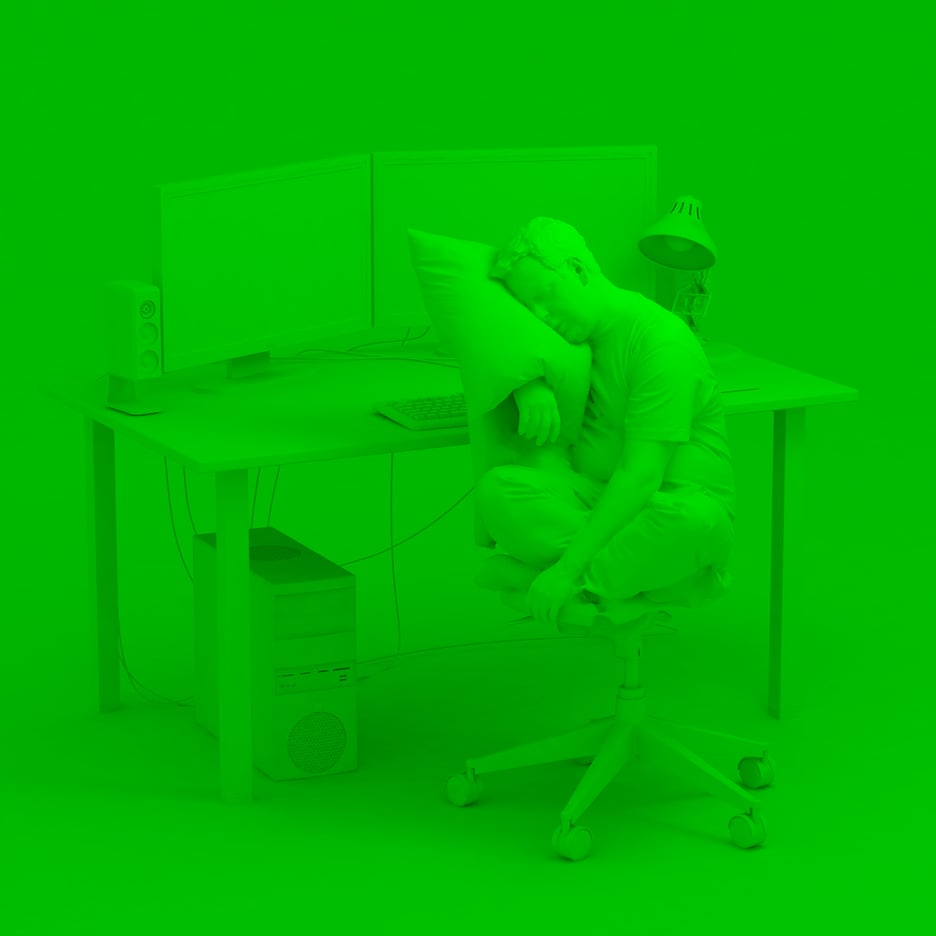
Alan Warburton is an artist whos use of software in contemporary culture is very intersting. His work was on display during the 24/7 exhibition, but unfortunately I couldn´t go to that, so I feel like he is probably less relevant to me then to Flora maybe, as she saw the exhibition.


Comments
Post a Comment